

Can an HOA put a lien on your house?

Yes, it is possible for an HOA to put a lien on your home if you fail to pay dues or assessments. However, this authority depends on what state laws and the HOA’s governing documents allow.
Liens are serious, and they can block a home sale, a refinancing agreement, or even lead to foreclosure.
The good news is that many states impose due process requirements on HOA liens and foreclosures, allowing the owner to take action and find a solution.
Below you will find more information on HOA liens, and how you can get rid of a lien on your home.
Note that this is general information, not legal advice. HOA lien rules are state-specific, and you should always check your local statutes and talk to a qualified attorney if you need help.
What is an HOA lien?
An HOA lien is a legal claim that an HOA places on a property when an owner fails to pay dues, special assessments, or related charges. In rare cases, HOAs may even collect unpaid amounts by foreclosing on the property.
By recording a lien, the HOA can secure its financial interests against noncompliant owners.
While unpaid dues are grounds for an HOA to record a lien, there are rules about how associations can use this collection method.
For example, under California law, fines, late fees, interest, legal costs, and collection expenses typically cannot serve as the basis for foreclosure, even if they contribute to the owner’s overall debt.
Similarly, Texas law prohibits foreclosure by an HOA solely based on unpaid fines for rule violations. A lien/foreclosure must be tied to unpaid assessments, not just fines, in most cases.
Once a lien exists and, if necessary, is properly recorded, owners:
- Will find that it is nearly impossible to sell or refinance their home
- May lose their home if the HOA or mortgage lender forecloses
How do HOA liens work?
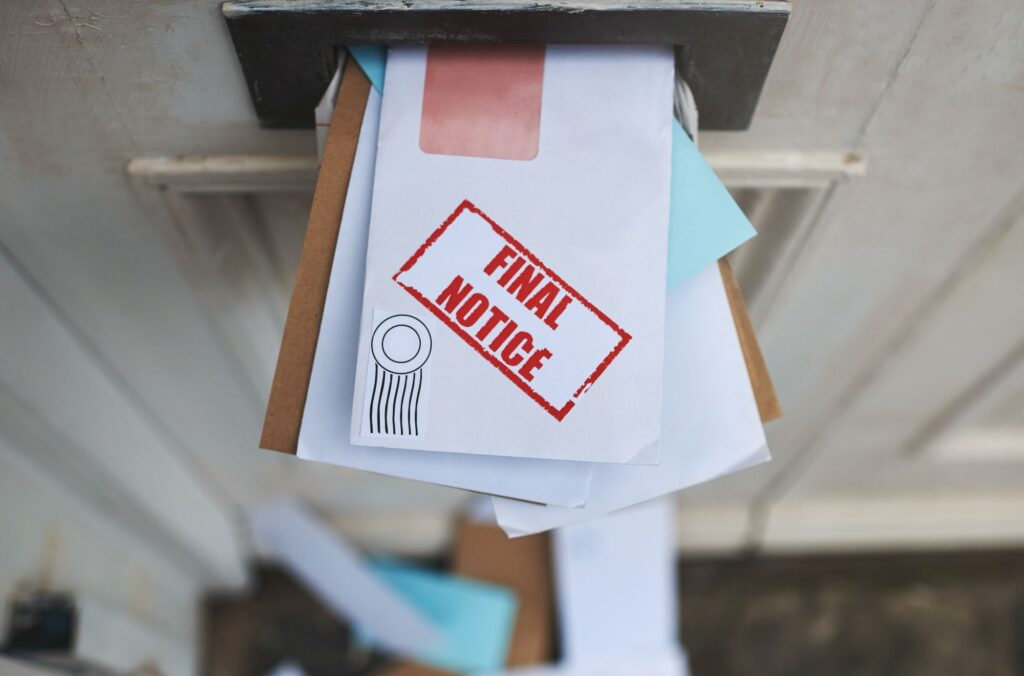
When an owner becomes delinquent in paying their HOA dues or assessments, the HOA will follow a specific process before placing a lien on the property.
This process, which should be included in the association’s governing documents, includes sending notices and warnings to the owner first. State laws may require that the HOA take additional steps, such as giving owners a certain amount of time to address the debt, or scheduling a board meeting so that the owner may discuss possible payment arrangements.
Example of an HOA lien process
Notice: The HOA provides an owner with notice of a delinquency and an opportunity to remedy the situation. Laws may require the HOA to send the notices via first-class or certified mail.
Demand letter: If the owner fails to respond to the initial notices, the HOA may send a demand letter including the amounts owed, and a warning of the association’s intention to file a lien if the debt is not paid by a certain date.
Lien filing: If the owner still does not pay the outstanding amounts, the HOA may file a lien with the county recorder’s office. This officially establishes the association’s claim on the property and notifies other parties, such as potential buyers or lenders, of the association’s interest.
Enforcement: Once the lien is filed, the HOA may take additional legal steps to enforce its claim on the property, such as initiating foreclosure proceedings.
You can’t always assume there isn’t a problem if a lien isn’t recorded
In some jurisdictions, simply recording the original declaration/CC&Rs in the land records is enough to validate a lien. No separate lien document is needed each time an owner becomes delinquent.
What happens when an HOA puts a lien on a house?
Once an HOA puts a lien on a house, it can take several actions to enforce its claim on the property. These may include:
Foreclosure
As mentioned above, if an owner continues to ignore the lien and fails to pay the outstanding amounts, the HOA may initiate foreclosure proceedings. This can result in the sale of the property, with the proceeds being used to satisfy the unpaid dues.
If the bank forecloses, in many states, some portion of HOA assessments survives a lender foreclosure. The new owner or sale proceeds must cover that portion. Other amounts may turn into a personal debt of the former owner.
There are also rules about when an HOA can commence foreclosure proceedings. In California, for example, Civil Code Section 1367.4 stipulates that an HOA can only foreclose on a home if the delinquent fees are equal to or above $1,800, or if the owner has remained delinquent for at least 12 months.
Judicial foreclosure vs. non-judicial foreclosure
The main difference between these processes is that judicial foreclosure involves filing a lawsuit and going to court. Non-judicial foreclosure does not.
Judicial foreclosure: The HOA needs to file a lawsuit and seek a judgment from a court. This judgment may allow the association to sell the home to satisfy the lien and settle the owner’s debt.
Nonjudicial foreclosure: The HOA doesn’t need to go to court for foreclosure proceedings. Instead, it follows specific procedures according to state laws and the governing documents.
Legal costs
In addition to the unpaid dues, the owner may also be responsible for covering the legal costs associated with enforcing the lien, including attorney fees and court costs.
Interesting fact
In California, although Civil Code § 5600(b) prohibits associations from charging more than what it costs them to collect late payments, this restriction applies to associations, not their managing agents.
Management companies are allowed to profit from the collection of delinquent assessments. As a result, management companies may charge more than their actual costs when generating pre-lien letters, lien letters, etc.
Credit score impact
Liens have the potential to hurt your credit score. While the specifics can vary depending on the credit reporting agency and other factors, owners can expect their credit scores to plummet if a lien is recorded.
Difficulty selling or refinancing
It also becomes more challenging to sell or refinance a property. Prospective buyers and lenders do not want to get involved with a property that has a lien attached to it.
Mortgage payments don’t go away
Typically, governing documents have provisions that outline the priority of an HOA lien over all other liens. The only exception is the deed of trust or first mortgage recorded before the delinquency date.
The first mortgage remains intact, even if an HOA foreclosed the property. Following the foreclosure, the owner is still responsible for the mortgage of the property.
The HOA doesn’t have the obligation to pay the first mortgage holder, even if it assumes ownership of the property following foreclosure. However, things work a bit differently if an HOA super lien exists.
HOA super liens
Some states allow an HOA to have a super lien. In these states, associations are given priority over even the first mortgage for a limited time, typically 6 to 9 months. Furthermore, the HOA has the ability to foreclose on the home ahead of the bank or lender.
Super lien states include Colorado, Nevada, Florida, Hawaii, Illinois, Maryland, New Jersey, and Pennsylvania.
How to get rid of an HOA lien
Pay the outstanding dues
It’s easier said than done, but the most effective way to get rid of an HOA lien is to pay the full amount owed.
Once the debt is settled, the HOA will file a lien release with the county recorder’s office. Doing so will remove the lien.
Negotiate a settlement
If it’s not possible to pay the full amount, don’t give up. Instead, reach out to the HOA and try to negotiate with them.
They might agree to a payment plan or a reduced settlement amount. This is especially true if they know that you are serious about resolving the debt.
Time runs out
Depending on state laws and governing documents, an HOA lien can expire. An association usually needs to take action to enforce the lien within a specified timeframe, such as foreclosing on it. If it doesn’t, the lien becomes void and unenforceable.
Obtain a lien release
After the lien has been paid or settled, it’s time for you to make sure the HOA has filed a lien release.
Reclaiming your home after foreclosure
Some states allow an owner to redeem their home after a foreclosure. In other words, they can buy back their home by paying off the amount owed to the HOA, in addition to interest, fees, and penalties.
The right of redemption may last for only a few months, and varies from state to state.
Conclusion
An HOA lien is a powerful collection tool that can block sales, hurt credit scores and even lead to foreclosure.
Owners who are struggling to keep up with dues are strongly encouraged to speak to their board or manager as soon as possible. The longer you wait, the harder it becomes to find a solution that works for both parties.